











 AI/ML
AI/ML  Software Development







Image and video recognition
AI systems for automated visual analysis and classification
Image and video recognition – a new dimension of automation
Why does this solution matter?
AI-based image and video recognition systems enable continuous, automated analysis with high accuracy, eliminating the need for manual intervention. They process data in real time, significantly accelerating decision-making cycles and improving production management quality.
Traditional methods of collecting visual data — such as manual sampling or inspections — are time-consuming, imprecise, and prone to human error. They operate with delays and do not allow for timely responses to operational changes.
What problems does image and video recognition solve?
Time-consuming manual measurements
e.g. manual counting of organisms or inspecting thousands of video frames.
Challenging visual conditions
Variable lighting, high object density (e.g., >200 individuals per image), similarity in object and background colors, and industrial infrastructure that hinders traditional analysis.

Operational disturbances and organism stress
In aquaculture, for example, manually catching animals to measure biomass affects their welfare and can disrupt production.

Low accuracy and delayed information
Sample-based measurements or visual inspections often lead to delayed decisions based on incomplete data.
How does our technology solve this?
- Automated image and video analysis – AI systems automatically analyze and classify images and video recordings, enabling uninterrupted process monitoring without the need for manual data processing.
- High accuracy in challenging conditions – Our models — for example, the tested YOLOv5 detector — achieved a relative counting error of approximately 6% in industrial environments.
- Lower stress and improved animal welfare – In aquaculture, we eliminate the need to capture shrimp for measurements, reducing their stress and risk of injury.
- Reduced operational risk for infrastructure – In railway transport, the system detects sleeper damage at an early stage, enabling quick intervention and preventing major failures.
- Solution scalability – We turn prototypes into production-ready systems applicable across facilities, farms, and industries.
- Real-time response and better operational data – Continuous monitoring (e.g., image capture every minute) and data processing enable faster production and sales decisions.
- Technology partnership and expert knowledge – We don’t just deliver a tool; we support you with integration, data analysis, model optimization, and application in your specific business context.
Metodology 4D

Discovery
Understanding the DNA of the problem before the first line of code is written
The Discovery phase allows for a deep understanding of the business challenge, user needs, and technological context. As a result, the project starts on solid foundations, and key assumptions are validated before development begins.
Key artifact
Standardized Concept Document

Our focus
Our activities
We analyze the client’s business and technological environment: from existing systems to user needs and strategic goals. We validate business assumptions, identify risks, and define the problem to be solved. The outcome is a coherent product concept that forms the foundation for the next stages of the project.

Definition
Translating knowledge and ideas into a concrete product plan
In the Definition phase, we transform insights from Discovery into a detailed solution design. This includes defining requirements, system architecture, and the user experience concept.
Key artifact
Product & Architecture Blueprint
Our focus
Our activities
We translate business goals into specific functional and technical requirements. We design UX prototypes, define the architecture, and plan the project implementation. This ensures development starts with a clear plan and minimal risk.

Delivery
Building and delivering reliable software
In the Delivery phase, we develop the final solution. We focus on code quality, clear communication with stakeholders, and a stable product release.
Key artifact
Production-ready product / deployment
Our focus
Our activities
Our teams build the solution using modern development practices and continuous integration. We regularly test the product and maintain transparent communication with stakeholders to deliver a stable, production-ready solution.

Direction
Transforming a product into a growing digital business
Direction is a phase of long-term product development. Instead of ending cooperation after implementation, we support clients in scaling solutions, introducing innovations, and building a competitive advantage.
Key artifact
Product development and innovation roadmap
Our focus
Our activities
Together with the client, we analyze product data, identify new growth opportunities, and plan future functionalities. We help scale the solution, optimize its performance, and build a long-term product strategy.
What do you gain by working with us?

- Faster production and operational decisions through automation – saving time and reducing delays.
- Lower manual labor costs and reduced risk of measurement errors.
- Better operational data: improved quality, accuracy, and availability of information.
- Minimized impact on the environment, organisms, and infrastructure – less invasive methods, greater sustainability.
- Scalability-ready – a solution designed to grow with your business and adapt to future challenges.
Which industries can benefit from our system?
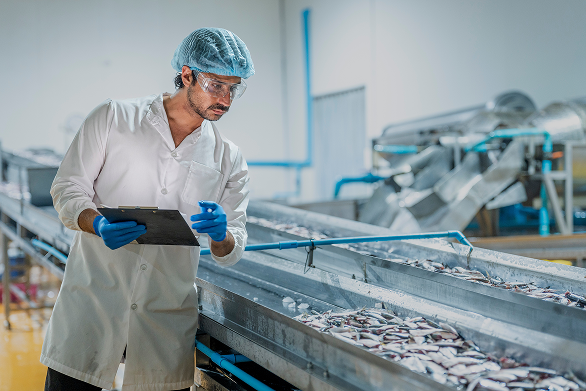
Aquaculture and water farming technologies – monitoring shrimp, mussel, and salmon populations and biomass.

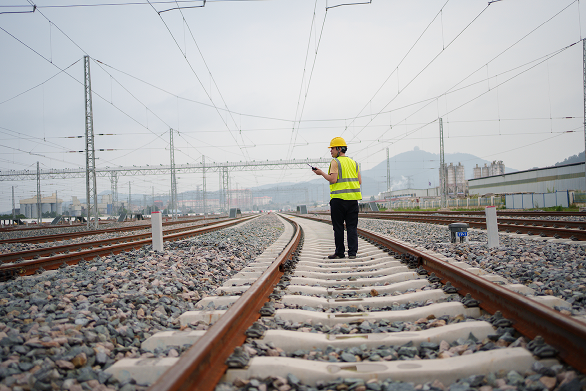
Rail transport and infrastructure – detecting damaged sleepers and enabling preventive maintenance.

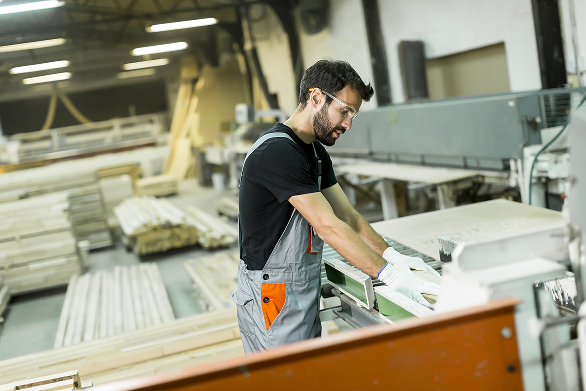
Industry 4.0 / machine manufacturing – line monitoring, part defect detection, and visual analysis of assembly.
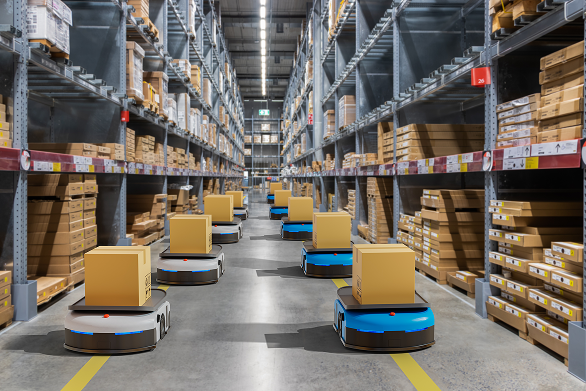
Logistics and warehousing – automated packaging inspection, pallet classification, and real-time monitoring.

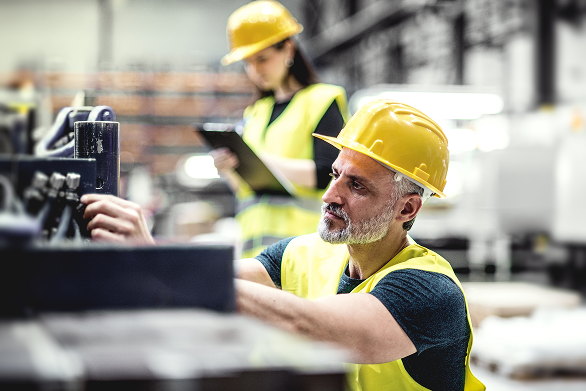
Other industrial facilities – wherever image or video recognition is required in challenging conditions (e.g., lighting, object density, changing scenery).